

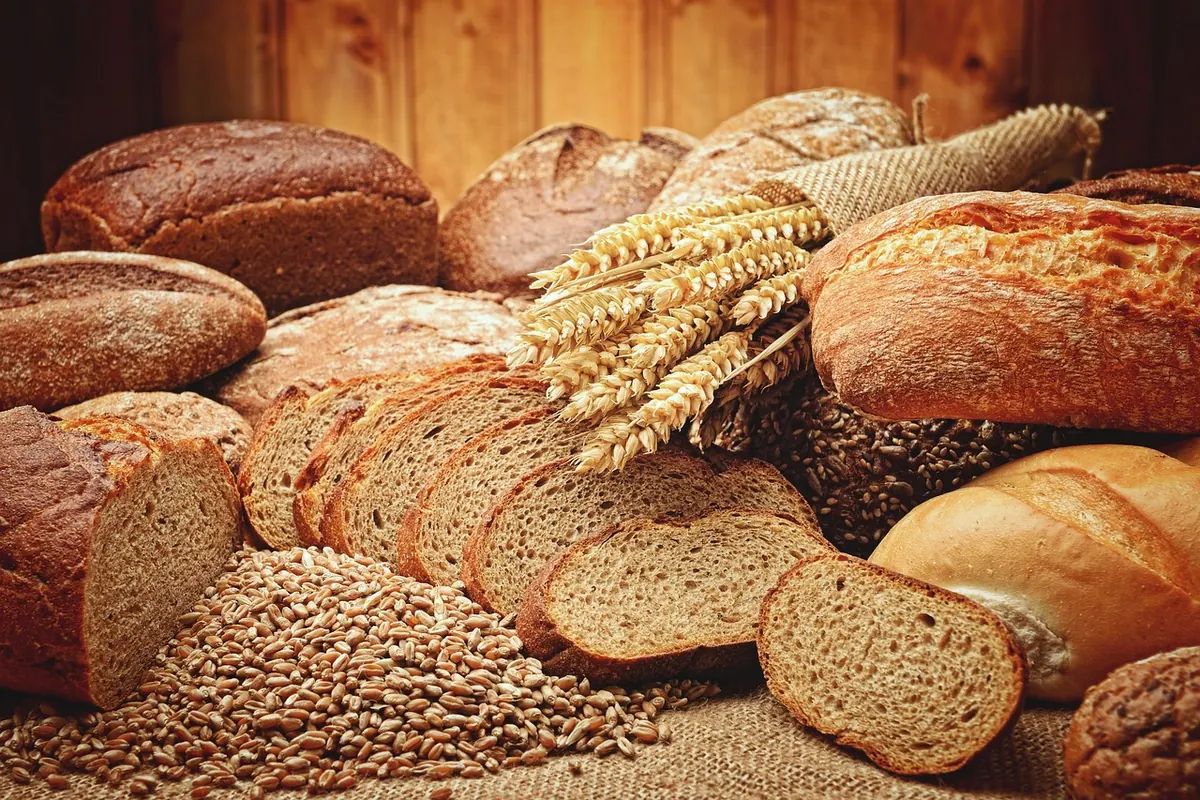
Rye flour has a reputation, and not always a kind one. It appears in photographs of dark, crackled loaves and in warnings about sticky dough, so plenty of bakers buy a bag, produce one gummy brick, and quietly push the flour to the back of the shelf. That is a shame, because rye is one of the most rewarding flours in an artisan kitchen. It simply doesn't behave like wheat.
The differences start at the mill. Rye is graded by how much of the grain's outer layers are sifted away, and that single decision changes flavour, water absorption, and how much structure you can reasonably expect from the dough. A light rye and a dark rye are not the same ingredient with a small adjustment; they make genuinely different breads.
Here is how the grades work, what each one tastes like, and how to adjust mixing and baking so the loaf comes out the way you intended.
Reading Rye: Grades, Ash, and What the Numbers Mean
Most rye flour is sold by colour: light, medium, dark, and sometimes pumpernickel. Behind those words sits a measurable idea. Milling separates the starchy endosperm from the bran and aleurone layers, and the more of those outer layers remain in the bag, the darker the flour and the more minerals it carries.
In Germany and much of northern Europe this is expressed as a type number, which refers to ash content. A Type 815 is a fairly light rye; Type 1150 is a medium; Types 1370 and 1740 are dark, and a full wholemeal rye sits at the top of the range with nothing removed. Higher number, more of the kernel, more flavour and more water absorption.
Naming varies by country and by mill, so treat the label as a guide rather than a law. What matters in practice is the colour of the flour in your hand: pale grey-beige means light, warm brown with visible speckles means medium, and a dark, heavily speckled flour is in the strong end of the range. Wholegrain rye is simply the whole kernel ground, and it is worth knowing that it goes rancid faster than white flour because of the oils in the germ. Buy it in small quantities, or store it in the freezer.
Light Rye: Mild, Flexible, Forgiving
Light rye is sifted hard, so it keeps only a trace of bran. The flavour is earthy and faintly sour, but mild enough to sit in the background of a wheat loaf. It is the easiest grade to work with because it behaves closest to white flour, and it is the sensible first step for anyone nervous about rye.
Use it at 15 to 25 percent of your total flour in a country sourdough and you get a rounder, nuttier flavour, a slightly closer crumb, and noticeably better keeping quality; rye holds moisture well. Push it to 40 percent with a strong bread flour and you have the basis for a sandwich loaf or a rye baguette. Light rye also makes a fine addition to a wheat starter when you want fermentation to move a little faster.
Medium Rye: The Balanced Middle
Medium rye is where rye flavour becomes the point of the bread rather than a seasoning. It is darker, more savoury, and it carries caraway, coriander, and seeds beautifully — this is the grade behind most deli-style rye and the seeded loaves that come out of central European bakeries.
It absorbs more water than light rye, ferments with more vigour, and produces a tighter crumb. A blend of 40 to 60 percent medium rye with bread flour gives you a sliceable loaf with real character. Above that, expect to bake in a pan or to shape with support rather than relying on gluten for lift.
Dark Rye and Pumpernickel: Bold and Dense
Dark rye is malty, sour, and assertive, with enough bran to make the dough heavy and sticky. Pumpernickel is a term used loosely in some countries for a coarse whole rye, sometimes a meal rather than a flour, and occasionally darkened with caramel colouring. Traditional German pumpernickel is a different proposition again: a very high proportion of coarse rye, a sourdough leaven, and a long, slow bake at low temperature that builds sweetness and colour without burning.
These flours want sourdough, a pan, and patience. Dark rye browns quickly because of its sugar content, so a hot oven will scorch the crust before the centre is set. Start hotter for the first ten minutes, then drop the temperature and give the loaf the time it needs.
Hydration, Handling, and the Gummy Crumb
Rye contains more of the water-loving carbohydrates called pentosans than wheat does, and far less of the gluten that forms an elastic network. The result is dough that feels like thick porridge rather than a springy ball, and it will keep absorbing water long after you stop mixing. Most rye failures are hydration failures, one way or the other.
- Add water in stages. Hold back a tenth of the water, mix, and wait twenty minutes. Rye dough tightens as it hydrates, so judge the texture after a rest, not straight from the bowl.
- Mix gently. A bowl, a wet hand, or a dough whisk is enough. Long kneading does nothing useful here and only makes the dough stickier.
- Keep your hands wet. Water is the only reliable release agent for rye. A bench scraper helps more than extra flour, which will only dry the loaf out.
- Ferment cool. A long, cold retardation firms the dough, deepens the flavour, and makes shaping far more manageable.
- Bake in a pan or a lined basket. Free-form high-rye loaves tend to spread. Score lightly and dock the top if the crust threatens to tear.
- Cool completely, ideally overnight. A rye crumb sets as it cools. Cutting a dark loaf while warm is the surest way to find gumminess in the middle.
Matching the Grade to the Loaf
A useful way to think about rye is as a dial rather than a switch. Small additions change flavour and shelf life; large additions change the whole architecture of the bread.
- 10 to 20 percent, any grade: an open, rustic country loaf with a subtle tang and a browner crust.
- 20 to 40 percent light or medium: sandwich loaves, rye baguettes, and seeded batards with a moderately open crumb.
- 50 to 70 percent medium: dense, sour free-form loaves or pan breads, best with a rye sourdough and caraway.
- 80 to 100 percent dark or whole rye: pumpernickel-style pan loaves, long ferments, low and slow bakes, sliced thin.
One practical note: rye does contain gluten, in a different form from wheat, so rye bread is not suitable for anyone with coeliac disease. If you are baking for someone with dietary restrictions, check with them first.
A Practical Starting Point
If you have never baked with rye, buy a small bag of medium rye and replace one fifth of the white flour in a recipe you already trust. Add about five percent more water, keep everything else the same, and bake it as usual. That loaf will tell you more than any chart: how your flour drinks, how your starter responds, how the crumb closes up.
From there, raise the proportion to 30 or 40 percent, then try a dark rye in a pan with a long cold ferment. Keep notes on water and timing, because rye rewards a baker who pays attention. Once the first good loaf comes out — dark crust, firm slice, a sourness that lingers — that bag at the back of the shelf tends not to stay there long.
Photo: aureliofoxrj / Pixabay
Related posts
More stories you’ll love reading