
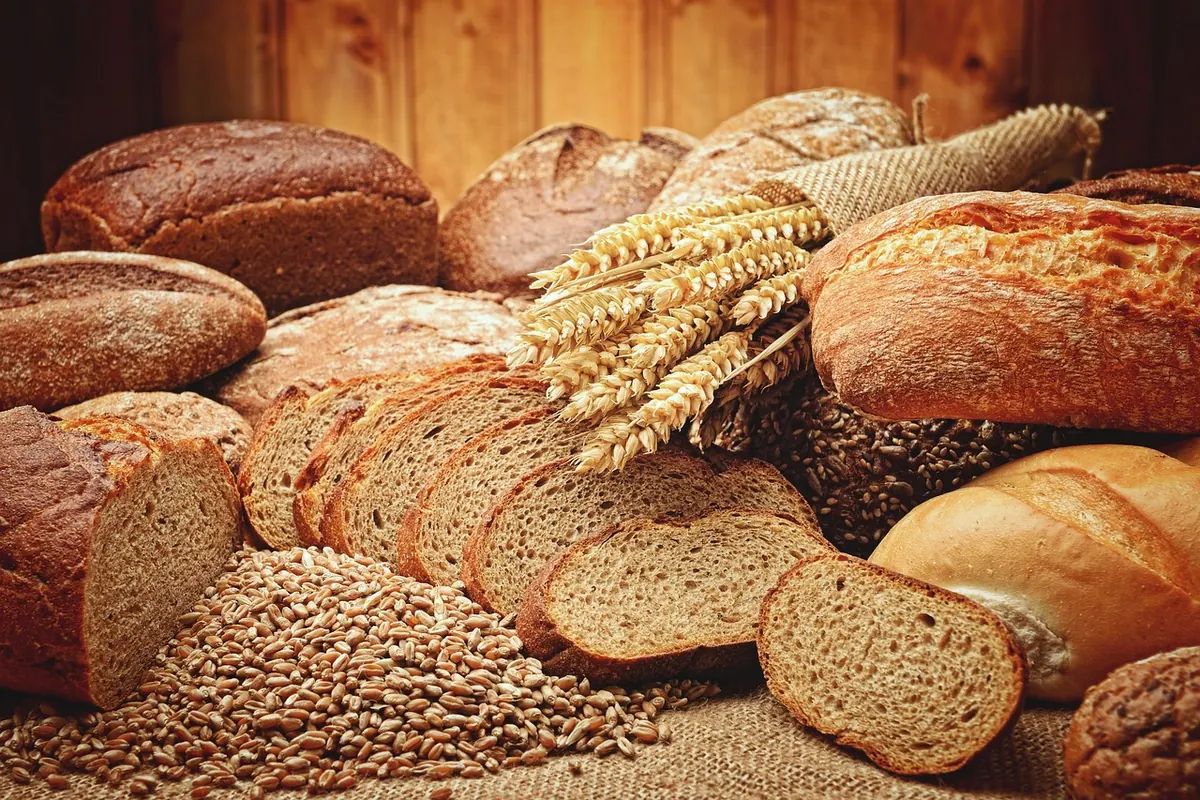
The bread sits in a basket near the till, flour still dusting the crust, and the only thing written on the card is “country sourdough.” You are about to pay more for a loaf than you would for a sandwich, and you would like to know what you are actually buying. Asking feels awkward the first time. It stops feeling awkward the moment you realise that most bakers will happily talk about their flour for ten minutes if the shop is quiet. The trick is to ask a few good questions rather than a dozen vague ones, and to ask them like a curious neighbour rather than an inspector. Here is a working checklist: flour, fermentation, freshness, and the oven, in roughly the order they matter.
Start with the flour, because everything else follows
Flour is the largest ingredient in the loaf and the one most bakeries are quietly proud of. Ask about it and you learn a lot about how the shop thinks.
Which mill, and is it stoneground?
“Which mill do you buy from?” is a better question than “is your flour organic?”, because it opens a real conversation. Some bakers buy from a small regional mill and can tell you the wheat variety; others use a dependable standard bread flour and are honest about it. Neither answer is a problem. What you are listening for is whether the baker knows. Stoneground flours keep more of the germ and bran, which brings flavour and colour but also makes dough harder to handle, so a bakery that uses them is usually making a deliberate choice rather than a marketing one.
Wholegrain flour is a fresh product
Wholemeal flour goes stale and slightly bitter within weeks of milling, far faster than white flour. Ask how often they take deliveries and how they store the bags. A small bakery ordering wholemeal little and often is doing something right; sacks stacked in a warm corner since spring are not. If they mill any grain themselves, ask when — freshly milled flour behaves very differently in the dough and the baker will probably want to tell you about it.
Is there anything in the dough besides flour, water, salt and yeast?
Dough conditioners, ascorbic acid, diastatic malt, milk powder and enzyme blends are legal in many places and often not mentioned on a handwritten bread card. Ask directly: “Does this dough have anything added apart from the four basics?” You will get a straight answer from most small bakeries, and if the answer is a shrug from someone who only works the counter, ask when the baker is next in.
Fermentation: the part you cannot rush
Time is the ingredient nobody can fake, and it is where cheap bread and good bread part ways. Two loaves can look identical on the shelf and be completely different inside.
How long does the dough sit before shaping?
Ask about bulk fermentation — the hours between mixing and dividing. A short mix-and-shape schedule with commercial yeast can produce decent bread, but it will not have the aroma or the keeping quality of a long one. Bakers often answer in ranges, which is a good sign: dough follows temperature, not the clock.
Does anything go into the fridge overnight?
A slow cold proof, often called a retard, is what gives many loaves their blistered crust and deeper flavour. Ask whether the shaped loaves spend the night chilled, and for roughly how long. Twelve hours and twenty-four hours are both reasonable answers; “no, we bake same day” is also an answer, and it tells you what kind of bread you are holding.
How is the starter looked after?
If they keep a sourdough culture, ask how often it is fed and with what flour. A starter fed twice a day on white flour will taste milder than one fed once a day on whole rye. Neither is superior, but the answer explains the flavour in your loaf. You can also ask whether commercial yeast is used alongside the starter; many bakeries do this for consistency, and they should be willing to say so.
Then use your eyes. A well-fermented loaf usually has an irregular, glossy crumb, a crust with small blisters, and a certain lightness in the hand for its size. A tight, damp, gummy middle is the classic sign of dough that was hurried.
Freshness is a schedule, not a word on the label
“Baked fresh daily” is on every bag in every shop. The useful questions are about timing.
- What time does bread come out of the oven? Most small bakeries bake once, early. A loaf bought at five in the afternoon has been cooling for many hours, which is fine for toast but not the same as a loaf bought at ten.
- Do you bake more than once a day? A second bake in the afternoon is a good reason to shop late.
- How is the bread stored during the day? Open wooden shelves and paper bags let the crust stay crisp. Plastic bags trap moisture and soften it within hours.
- What happens to what does not sell? Discounted day-old bread, freezing, or donation to a local group are all sensible plans. Bread quietly binned every evening tells you something about the ordering rather than the baking.
- Will you slice it? Ask for a whole loaf if you can. It keeps far better, and you can cut it as thick as you like.
Ovens, steam and the shape of the crust
You do not need to tour the bakehouse, but a couple of questions about the oven explain a great deal about the crust. A deck oven with a stone sole bakes bread directly on a hot surface, which drives heat into the base and gives a proper oven spring. Rack ovens and convection ovens are common in busier shops and can produce excellent bread, but the baker has to work harder for the crust.
Ask whether they bake with steam, and how it is introduced. Steam keeps the surface of the dough soft for the first minutes so the loaf can expand, then the crust sets and browns. Ask whether loaves are baked on stone or in tins, and how they are cooled afterwards. Bread should cool on open racks with air moving around it; loaves bagged while still warm turn leathery within a day. If the whole shop smells of warm bread at four in the afternoon, enjoy it, but buy a loaf that has already cooled.
A short checklist to take with you
Pick two or three per visit rather than reading all of them aloud. A good baker will answer most of these in one go once you get talking.
- Which mill supplies your flour, and is it stoneground?
- How often do you get wholemeal deliveries?
- Is there anything in this dough beyond flour, water, salt and yeast?
- How long does the dough ferment before shaping?
- Do the shaped loaves rest overnight in the fridge?
- How often is the sourdough starter fed, and on what flour?
- What time was this loaf baked?
- How do you store bread on the shelf during the day?
- What do you do with unsold loaves?
- Do you bake on stone, and do you use steam?
- Which loaf here would you take home yourself?
Make it a conversation, and buy something
Timing matters more than phrasing. Saturday morning at eleven, with a queue at the till, is the worst possible moment to ask about bulk fermentation; a quiet weekday mid-afternoon is the best, when the baker is finishing up and the trays are empty. Buy a loaf first, then ask. Two questions per visit is plenty, and you will remember the answers because they will be attached to bread you have actually eaten.
Keep a little mental record. If the flour changes with the season, if the bake times shift, if the starter tastes sharper in winter, you are watching a real bakery work rather than a shop reselling someone else’s bread. And if the person at the counter cannot answer, do not treat it as a red flag — ask when the baker is around next. The answers you get over a few months will tell you more than any single conversation, and you will end up with a loaf you can trust without asking anything at all.
Photo: Pexels / Pixabay
Related posts
More stories you’ll love reading