


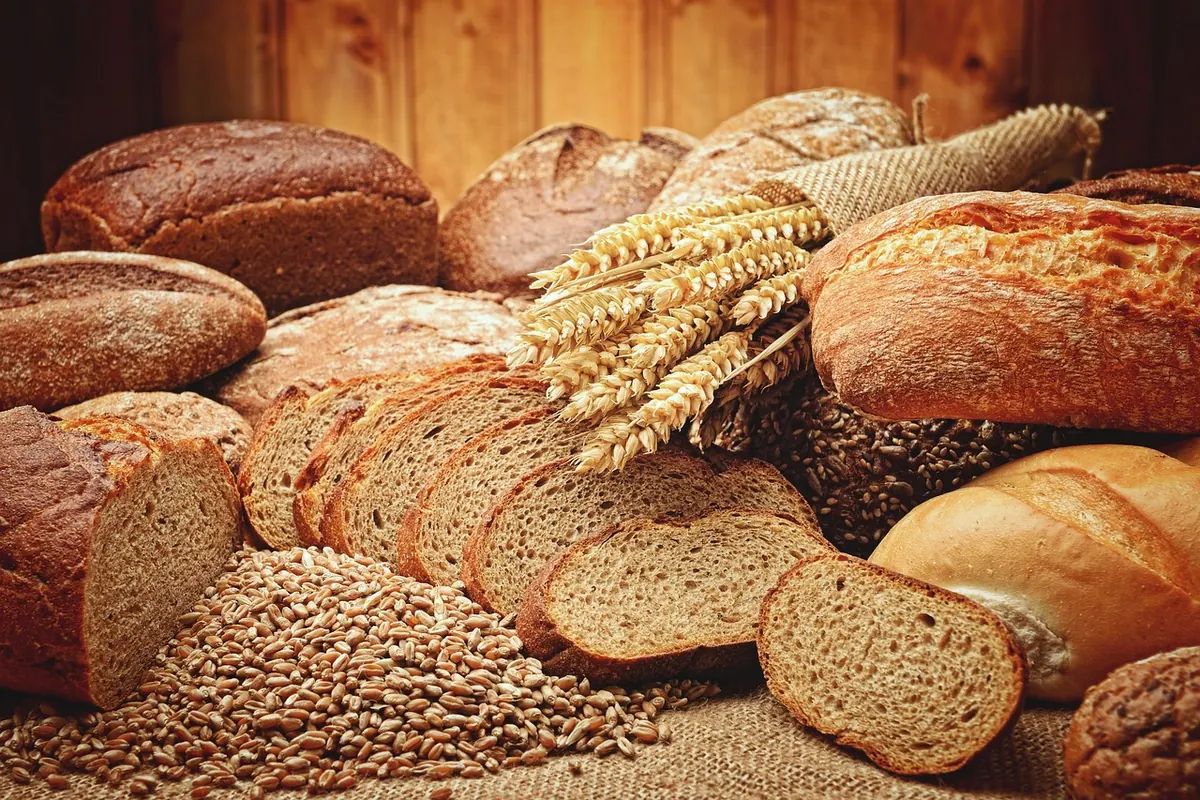
Flour has a quiet way of going wrong. You buy a bag for a weekend of sourdough, tuck it into the cupboard above the oven, and three months later it smells faintly of crayons and the loaf comes out flat and pale. Nothing dramatic happened. Just warmth, a little moisture, and time — the three things that turn good flour into something you end up throwing away.
Grains and flours are pantry staples that behave more like fresh ingredients than most of us expect. They breathe, they absorb odours, they carry the eggs of pantry pests in from the mill, and the oils in whole grains start turning the moment the grain is ground. A little attention to how you store them buys you months of good baking, and it costs almost nothing.
Two Different Problems, Two Different Fixes
It helps to separate the ways flour spoils, because they have different causes.
Staleness is oxidation. The fats in the flour — concentrated in the germ and bran — react with oxygen and slowly go rancid. You notice it as a dull, slightly soapy or paint-like smell, and in the flavour of the finished bread. Whole wheat, rye, spelt and buckwheat are the most vulnerable because they still contain those oils. White flour, with the bran and germ sifted out, keeps far longer.
Pests are a different matter. Pantry moths, weevils, grain beetles and flour mites arrive in the bag already, as eggs or larvae too small to see, or they find their way in through a gap in the packaging. They need warmth and moisture to thrive. A sealed jar in a cool cupboard gives them nowhere to go.
Both problems come back to the same lever: keep oxygen, heat and humidity away from the grain, and you slow everything down.
Choose Containers That Seal, Not Just Close
A rolled-down bag with a clip is better than nothing, but it is not airtight, and pantry moth larvae can chew straight through thin plastic and paper. What you want is a hard barrier with a proper gasket or a tight-fitting lid.
Good options
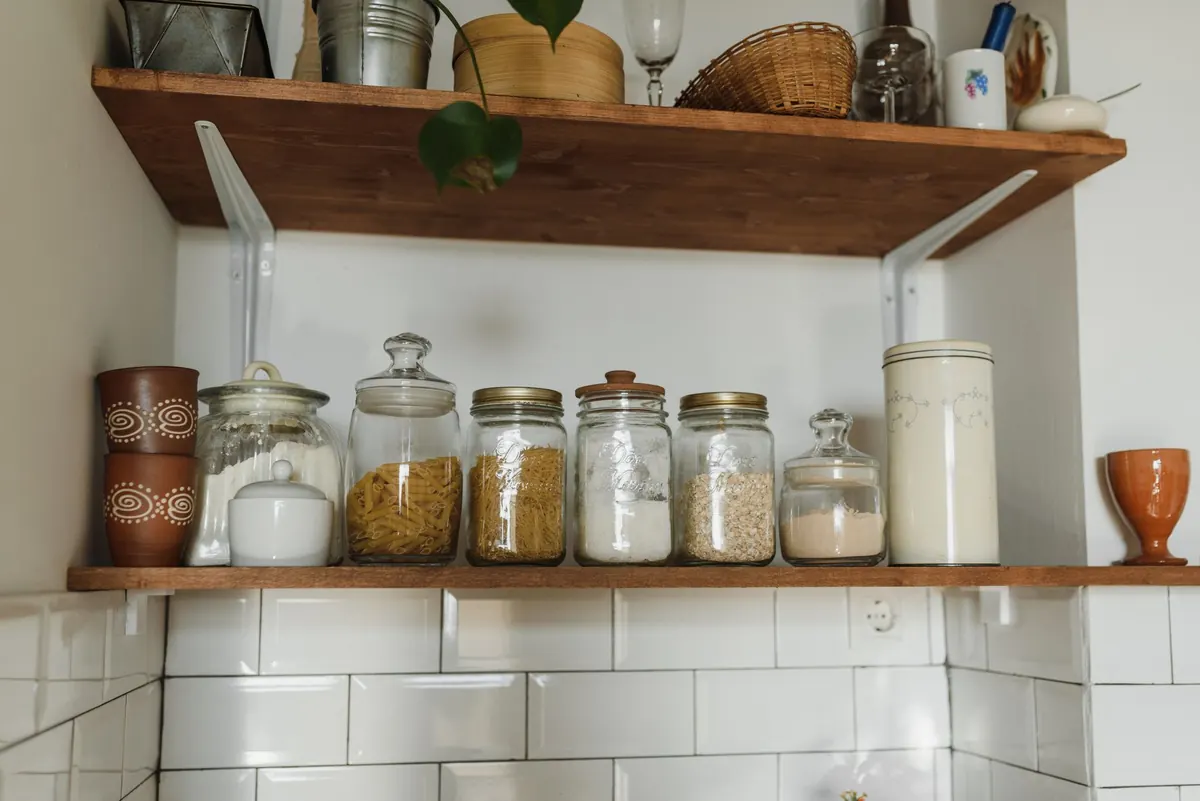
- Glass jars with clamp or screw lids. The best default for a home kitchen. You can see what is inside, they do not hold odours, and they clean easily.
- Food-grade plastic containers with silicone seals. Lighter and cheaper for larger volumes, especially if you buy 5 kg bags.
- Metal tins with tight lids. Excellent for whole grains and for keeping light away.
- Vacuum-sealed bags or mylar bags with oxygen absorbers. Worth the effort if you are storing a large quantity for months.
What to avoid
Thin paper sacks, cloth bags and open bins look charming in photographs and fail in practice — they let in humid air and offer no resistance to insects. If you love the look of a cloth sack, keep it inside a sealed container rather than on its own.
Whatever you use, put the original paper bag inside the container if it has a milling date or lot number on it, and write the date you opened it on a strip of tape on the lid. This small habit solves most storage confusion later on.
Temperature: Cool and Steady Beats Cold and Erratic
Flour keeps best somewhere between 10°C and 20°C, out of direct sunlight. The problem is that most kitchens have exactly one warm spot, and it is the cupboard above the oven or beside the dishwasher — the very place where a bag of flour tends to end up.
Move your dry goods to the coolest cupboard you have, ideally away from exterior walls that sweat in winter. A cellar, a cool pantry, or a north-facing cupboard all work well.
For long-term storage, the freezer is the better choice. Flour does not freeze solid into a block, and cold temperatures slow oxidation dramatically. The one rule: let the container come fully to room temperature before you open it. Otherwise condensation forms on the flour and you have created the exact damp environment you were trying to avoid.
Humidity, Condensation and the Fridge Question
Moisture is the single most damaging factor. Flour that absorbs humidity clumps, loses its rise, and becomes a nursery for mould. It also accelerates the breakdown of fats.
Keep flour away from the kettle, the dishwasher vent and the sink. Do not store it in a cupboard that shares a wall with a bathroom. And skip the fridge — refrigerators are humid, they cycle in and out of temperature every time the door opens, and flour picks up the aroma of whatever is defrosting next to it.
Folk remedies are worth mentioning only to set expectations. Bay leaves, garlic cloves and dried chillies are traditional companions for grain jars, and they may discourage a moth or two, but they do not kill eggs and they do not compensate for a poor seal. The lid does the work.
How Long Different Flours and Grains Keep
Treat these as rough guides for a cool, airtight pantry. Freshly milled flour, stone-ground grains and anything bought in paper at a farmers' market will always be on the shorter end.
- White all-purpose or bread flour: 6 to 12 months in the pantry, considerably longer frozen.
- Whole wheat, rye and spelt flour: 2 to 3 months at room temperature; 6 months or more in the freezer.
- Buckwheat, chestnut and other alternative flours: 2 to 3 months, refrigerated or frozen if possible.
- Cornmeal and polenta: 3 to 6 months in a sealed container, watch for a bitter smell.
- Rolled oats: 6 to 12 months.
- White rice: up to a year or two; brown rice only 4 to 6 months, because of the bran oils.
- Nuts, seeds and wheat germ: 3 to 6 months, always in the cold.
The label date is a guide, not a law. Smell the flour before you use it. Fresh flour smells of clean grain; anything sour, musty or reminiscent of old oil is past saving, regardless of the date on the bag.
A Storage Checklist for a Home Baking Pantry
- Buy in quantities you will finish in two to three months, not by the sack because the price per kilo looks better.
- Decant into airtight glass or food-grade plastic the day you bring the shopping home.
- Label every container with the contents and the date opened.
- Store whole grains and whole-grain flours in the freezer or fridge rather than on the shelf.
- Keep the coolest cupboard for flours, the warmest for tins and unopened jars.
- Bring containers to room temperature before opening after cold storage.
- Rotate stock — new flour goes behind, old flour comes forward.
- Wipe the shelf and the outside of each container every few weeks with a cloth dipped in white vinegar.
When Pests Show Up Anyway
Finding fine webbing in a bag of semolina is unpleasant but not a disaster, and it is rarely the fault of your storage. If you find insects in one container, check every nearby dry good the same day — larvae travel. Throw out anything clearly infested, then vacuum the shelf, the corners and the seams of the cupboard, and wipe everything down.
If you suspect a fresh bag has eggs in it but shows no sign of activity, many bakers freeze it for three days, then let it return to room temperature and store it as usual. Do not spray cupboards with kitchen insecticides anywhere near food; cleaning and sealing is enough. For a persistent pantry moth problem, pheromone traps help break the breeding cycle by catching the males.
The Five-Minute Habit That Keeps a Pantry Honest
Once a month, take everything out of the flour cupboard. Smell each container, run your fingers through the contents, and note the dates. Anything older than you thought gets used in the next bake or moved to the freezer. Anything that smells off goes in the bin — no heroics, no attempts to rescue it in a hot oven.
That is the whole system: airtight containers, a cool cupboard, small quantities bought often, and a date on every lid. It takes one shopping decision and five minutes a month, and it means the flour you reach for on a Sunday morning is always the flour you actually want to bake with.
Photo: Arina Krasnikova / Pexels
Related posts
More stories you’ll love reading